
Our
Programs
Community-Led Solutions for Lasting Impact
Africa Aid Vision works across seven integrated program areas designed to address the root causes of vulnerability and inequality. Our approach recognizes that challenges such as poverty, lack of education, poor health, food insecurity, climate change, and violence are interconnected.
Each program is community-driven, locally owned, and focused on long-term resilience rather than short-term aid.
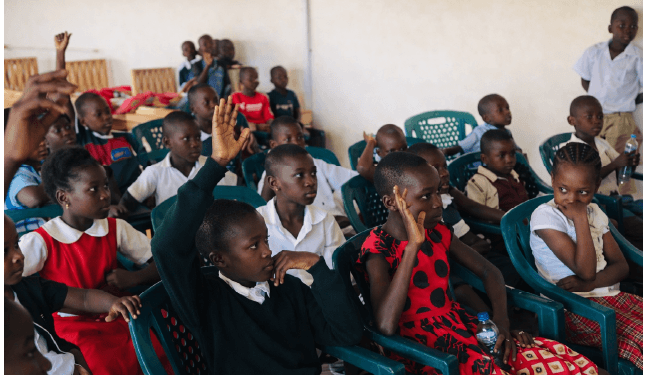
Education Access and Digital Transformation
What we do
Support orphaned and vulnerable children with school fees, learning materials, uniforms, and mentorship
Strengthen community schools through infrastructure support and learning resources
Promote girls’ education and inclusive learning for children with disabilities
Introduce digital learning tools and ICT training in schools and communities
Train teachers in digital pedagogy and modern teaching methods
Why it matters
Education breaks cycles of poverty, builds confidence, and opens pathways to opportunity in a rapidly changing world.
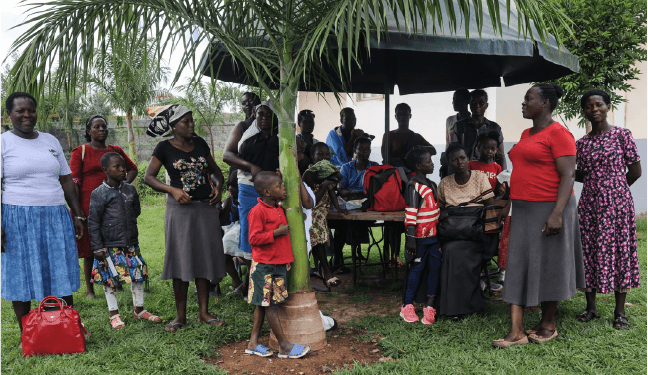
Women, Peace and Security
What we do
Prevent and respond to gender-based violence through awareness, referrals, and survivor support
Strengthen women’s leadership in peacebuilding, mediation, and community decision-making
Support women human rights defenders with capacity building and protection initiatives
Create safe spaces for women and girls in fragile and high-risk settings
Why it matters
When women are safe and empowered, communities are more peaceful, inclusive, and resilient.
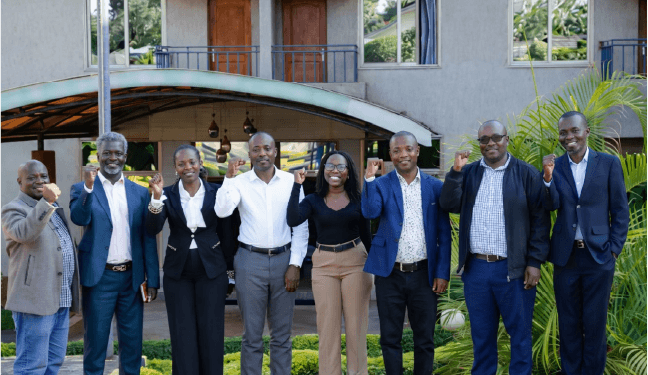
Environmental Awareness and Climate Action
What we do
Deliver climate and environmental education in schools and communities
Lead tree-planting and ecosystem restoration initiatives
Train youth and community members as environmental champions
Promote sustainable practices such as clean energy, waste management, and conservation
Why it matters
Climate change threatens food security, health, and water access. Local action builds long-term environmental resilience.
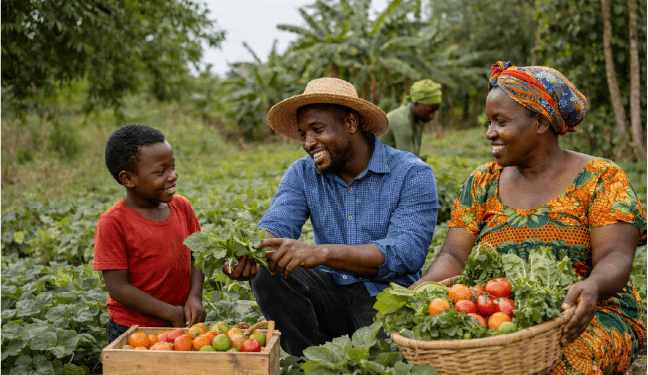
Farming, Food and Nutrition
What we do
Train smallholder farmers in climate-smart and regenerative farming practices
Support community and school gardens to improve food access
Promote nutrition education for families, children, and expectant mothers
Strengthen farmer groups and cooperatives for better productivity and income
Why it matters
Food security improves health, learning outcomes, and economic stability for families and communities.
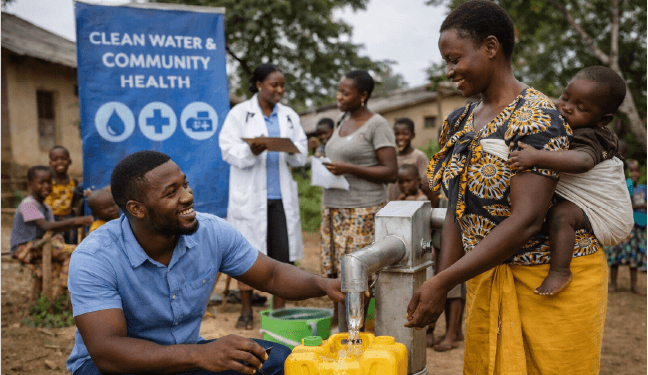
Water, Health and Sanitation (WASH)
What we do
Support clean water systems such as boreholes and protected water sources
Promote hygiene and sanitation through education and community campaigns
Improve access to basic healthcare through outreach and partnerships
Strengthen community ownership of water and health infrastructure
Why it matters
Clean water and proper sanitation prevent disease, save time, and protect the most vulnerable.
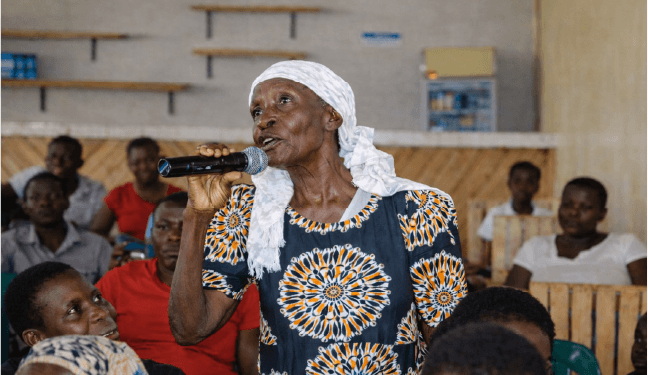
Livelihood and Economic Empowerment
What we do
Provide entrepreneurship and business skills training
Support vocational and technical skills development
Promote access to microfinance and income-generating activities
Strengthen market linkages for farmers and small businesses
Why it matters
Economic empowerment restores dignity, reduces dependency, and enables families to plan for the future.
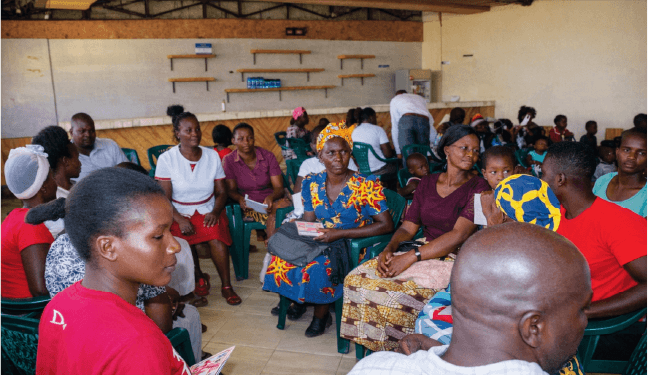
Community Building and Capacity Development
What we do
Build leadership skills among women, youth, and community leaders
Promote inclusive participation and civic engagement
Support child protection, youth leadership, and social cohesion initiatives
Strengthen local governance and community-based organizations
Why it matters
Strong communities sustain progress long after external support ends.
Our Integrated Approach
Across all programs, Africa Aid Vision prioritizes:
Community leadership and participation
Inclusion of women, youth, and marginalized groups
Accountability, transparency, and sustainability
Partnerships with local and regional stakeholders